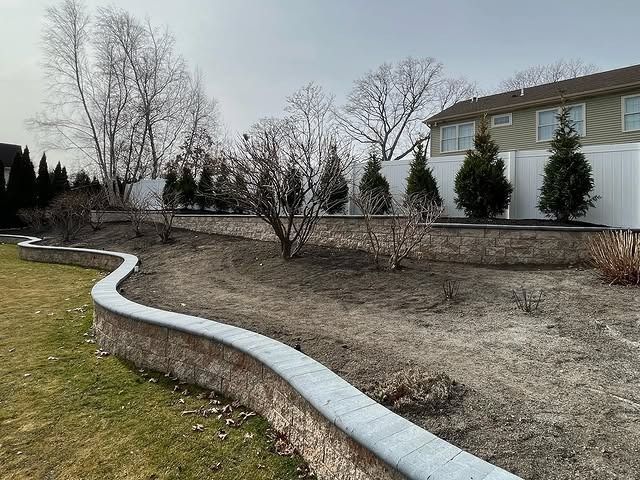
Grade Support That Stays in Place
Retaining Wall Installation in Long Island
When part of your property slopes too steeply for a patio or the soil keeps washing downhill after heavy rain, a retaining wall holds the grade in place and creates usable space. On Long Island, where drainage and elevation changes are common across residential lots, the wall has to handle water pressure, soil movement, and freeze-thaw cycles without tilting or cracking. Lorenzo Napolitano Construction INC builds structural and decorative retaining walls that address both the practical and visual needs of your property.
The service includes design, excavation, base preparation, and installation using concrete, block, or stone depending on what the site requires. Walls are engineered to handle Long Island drainage patterns and elevation changes, and the work integrates with patios, walkways, and landscaping layouts so everything connects properly. Whether you need erosion control, a level area for outdoor living, or support for a driveway or garden bed, the wall is built to stay stable over time.
If you're dealing with grade issues or planning an outdoor project that involves elevation changes, contact us to discuss retaining wall design and installation for your property.
What the Work Includes and How It Connects
The process starts with excavation to reach stable ground and create space for the base and drainage layer. On Long Island properties, that often means removing topsoil, cutting into the slope, and compacting a stone base that won't shift under the weight of the retained soil. Drainage pipe and gravel are installed behind the wall to prevent water from building up and pushing against the structure.
Once the wall is complete, you'll see a structure that holds the grade without leaning or settling, a level surface above or below the wall that stays in place, and water that drains away instead of pooling behind the blocks. The wall remains plumb, the courses stay aligned, and the top cap sits flat without wobbling.
The service covers excavation, base prep, drainage installation, and wall construction. It does not include large-scale landscaping, irrigation relocation, or removal of trees or structures unless specified. If your project involves tying into an existing patio, walkway, or drainage system, that work is coordinated as part of the installation but may require adjustments to the timeline or scope.
Homeowners often ask about materials, drainage, and how the wall will fit with the rest of their property, especially when planning outdoor upgrades that involve grade changes.
Questions That Come Up Before Starting
Lorenzo Napolitano Construction INC builds retaining walls across Long Island that handle grade, drainage, and soil pressure without shifting or settling, and the crew knows how to integrate the wall with your outdoor plans. If you need erosion control, a level patio area, or support for a sloped yard, learn more about what your property needs and how the wall gets built.